
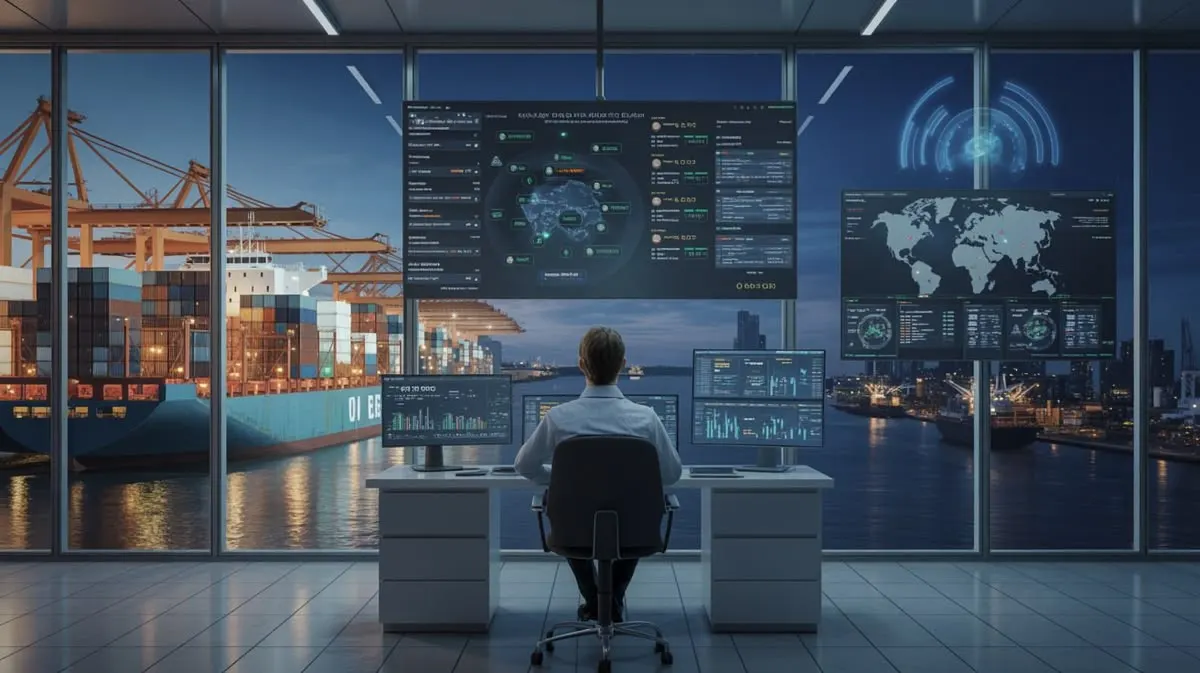
Managing a fleet of vessels involves much more than tracking ships. Shipping companies must coordinate maintenance, monitor voyages, manage documents, control operating costs, and keep shore teams informed. When these tasks rely on separate spreadsheets, emails, and manual reports, delays and data gaps can become difficult to manage.
A maritime software development company can help shipping businesses bring these activities into one connected digital system. Custom software can be designed around a company's vessels, routes, workflows, and reporting needs, giving managers a clearer view of daily operations.
For shipping businesses operating in India and international markets, working with a technology partner in Palghar can be an option worth exploring. The key is to choose a solution based on real operational needs, not simply the number of features it offers.
Why Vessel and Fleet Management Needs Better Software
Fleet managers often work with information from several sources. A vessel's maintenance records may sit in one system, voyage updates in another, and purchasing records in spreadsheets. Teams then spend time collecting information instead of acting on it.
These gaps can affect planning, communication, and decision-making.
Common challenges in maritime operations
Some common challenges include:
- Scattered vessel records: Teams struggle to find accurate details about equipment, inspections, and service history.
- Manual maintenance planning: Missed reminders or outdated records can make it harder to plan repairs.
- Limited fleet visibility: Managers may not have one clear view of vessel status, schedules, and outstanding tasks.
- Repeated data entry: The same information may need to be entered into several tools.
- Slow reporting: Staff may spend hours preparing reports for managers, customers, or other stakeholders.
- Document management issues: Certificates, inspection records, and other documents may be stored in different locations.
Not every shipping business faces all these problems. A useful first step is to identify which issues create the greatest operational risk or consume the most staff time.
Why separate tools can become a problem
Spreadsheets and basic tracking tools can work well for a small fleet. Problems often arise as the number of vessels, users, and workflows grows.
For example, a maintenance team may update a spreadsheet while an operations manager uses an older version. Both teams may believe they have the latest information.
Custom software can reduce this risk by providing a shared record, defined user permissions, and a clear history of updates.
How Custom Maritime Software Simplifies Fleet Management
Custom maritime software is built around the workflows of a specific shipping company. Instead of forcing every process into a fixed template, the system can combine the functions the business actually needs.
1. Centralized vessel information
A fleet management platform can provide one place to view important details about each vessel.
Depending on the business requirements, these records may include:
- Vessel identification and specifications.
- Equipment and maintenance history.
- Inspection schedules and records.
- Certificates and renewal dates.
- Current operational status.
- Assigned tasks and responsible team members.
This makes it easier for authorized staff to find the right information without searching through multiple files.
A good system should record who updated important information and when. It should also allow authorized staff to correct errors without losing the history of changes.
Clear ownership and access rules help keep vessel records useful and trustworthy.
2. Better fleet and voyage visibility
Fleet managers need timely information about vessel status, planned movements, and operational issues.
Depending on available data and integrations, custom software may bring together voyage schedules, position reports, estimated arrival times, and relevant operational updates.
For example, if a vessel's expected arrival changes, the system could notify the relevant shore team. Staff could then review the effect on port coordination, cargo planning, and related tasks.
The quality of this information depends on the source data, connectivity, and any third-party tracking systems involved. A software dashboard alone does not guarantee live vessel tracking.
3. Planned maintenance and repair tracking
Unexpected equipment problems can disrupt schedules and increase costs. Maintenance software helps teams organize preventive work and keep repair records up to date.
A custom system could support:
- Planned service dates and inspection reminders.
- Maintenance requests and work orders.
- Spare-parts records.
- Repair status and task assignments.
- Equipment service history.
- Reports on overdue work and recurring faults.
Imagine a vessel has an inspection due in two weeks. The system could alert the responsible team, create a task, and track progress until the inspection is completed and documented.
This is a workflow example, not a claim about a particular customer's results. The company would still need suitable procedures, qualified personnel, and accurate records.
4. Automated alerts and operational workflows
Many maritime tasks involve repeated follow-ups. Staff may need to remind colleagues about missing documents, pending approvals, upcoming inspections, or incomplete reports.
Custom maritime software can automate suitable steps using clear business rules.
Automation should include clear exceptions and escalation rules. Safety-critical decisions should remain under appropriate human control.
5. Document and compliance record management
Shipping operations depend on accurate records. Missing, expired, or difficult-to-find documents can create avoidable delays.
A document management module may help teams organize certificates, inspection reports, maintenance records, and other relevant files. It can also track renewal dates and notify responsible users.
The system should support version history, secure access, backups, and retention rules appropriate to the business.
Software can help organize compliance work, but it does not automatically make a vessel or company compliant. Applicable flag-state requirements, maritime regulations, and company safety procedures must still be followed.
6. Clearer communication between ship and shore
Shipboard teams, fleet managers, maintenance staff, and office administrators may all need different information.
A connected platform can provide role-based dashboards, task assignments, notifications, and shared operational records. This reduces reliance on scattered messages and makes responsibilities easier to follow.
Connectivity also matters. If vessels operate with limited internet access, the system may need offline data entry and reliable synchronization when a connection returns.
These requirements should be agreed upon before development begins.
Essential Features to Consider in Maritime Fleet Management Software
Not every business needs a large, all-in-one platform. The right feature set depends on the size of the fleet, existing systems, and operational priorities.
Consider these capabilities when evaluating a solution.
Vessel management
Maintain vessel profiles, equipment records, operating status, and service history.
Maintenance scheduling
Plan inspections, assign work orders, track repairs, and flag overdue tasks.
Fleet dashboards and reporting
Bring key operational indicators into a shared view for authorized managers.
Document management
Store records securely, control access, and set reminders for renewals.
Security and system integration
Use access controls, audit logs, backups, and suitable connections to existing tools.
These features can be developed in stages. A company may begin with vessel records and maintenance planning, then add integrations and advanced analytics as its needs become clearer.
Custom Maritime Software vs. Off-the-Shelf Solutions
Both custom-built and ready-made software can be useful. The right choice depends on how well the product supports the company's operations.
Custom software is not always the best option. A ready-made platform may be more practical if it already covers the required functions at an acceptable cost.
Custom development becomes worth exploring when critical workflows are unsupported, existing systems do not work well together, or the business needs greater control over its product roadmap.
How to Choose a Maritime Software Development Company in Palghar
Choosing a technology partner requires more than comparing proposals or development prices.
Businesses searching for a maritime software development company in Palghar should assess the following factors.
Understand the operational requirements
Before selecting a vendor, document the main users, current workflows, operational problems, and desired outcomes.
Ask questions such as:
- Which fleet management tasks take the most time?
- What information do managers need every day?
- Which systems must share data?
- What should happen when a vessel loses connectivity?
- Which records require restricted access?
- How will the company measure success?
These answers help define a realistic scope.
Review the technical approach
Ask the development team how it plans to handle data security, system integration, testing, backups, and future growth.
For maritime systems, also consider unreliable connectivity, different time zones, data synchronization, and the separation of business IT systems from vessel operational technology where relevant.
The International Maritime Organization's maritime cyber risk guidance is a useful starting point for understanding the importance of cyber risk management in shipping.
Check delivery and support arrangements
A proposal should clearly explain what will be delivered, who owns the software and data, how defects will be handled, and what ongoing support costs may apply.
It should also define milestones, acceptance criteria, training, and the process for requesting future changes.
Ask vendors for relevant, verifiable experience. Do not assume that general software experience automatically means expertise in maritime regulations or vessel operations.
Start with a focused first release
A full fleet platform can be complex. A smaller first release helps the business validate its approach before investing in more features.
For example, a first phase could cover vessel records, maintenance schedules, and document reminders. After users test the workflow, the company can decide whether voyage tracking, external integrations, or advanced analytics should come next.
Security and Integration: Plan Before Development
Maritime software may handle sensitive operational data and connect to systems used by several teams. Security and integration should be part of the design from the start.
Key considerations include:
- Role-based access: Users should only access the records and functions required for their work.
- Secure authentication: Protect accounts, especially those with administrative privileges.
- Audit trails: Record important changes and actions.
- Backups and recovery: Define how data will be restored after an outage or incident.
- Integration controls: Validate information received from external systems and handle failures safely.
- Cyber risk reviews: Assess threats, access pathways, and recovery plans as the system evolves.
The IMO's guidance on maritime cyber risk provides additional context for shipping organizations.
A secure design should account for the wider operational environment, not just the web application. Any connection to shipboard operational technology needs specialist assessment and appropriate safeguards.
How Unovative Can Help
Unovative is an IT and AI software company based in Palghar, Maharashtra, with an office in Ho Chi Minh City, Vietnam. Its website describes work in custom applications, enterprise technology, automation, and digital transformation.
For a shipping company exploring custom maritime software, the first step is to define the operational problem and determine which parts of the workflow need a digital solution.
Depending on the agreed scope, a project could involve:
- Mapping vessel and fleet management workflows.
- Designing a custom web or mobile application.
- Bringing selected operational records into a shared platform.
- Automating suitable reminders, approvals, and reporting tasks.
- Planning integrations with existing business systems.
- Establishing a roadmap for future features and maintenance.
These are potential project approaches, not a claim that every maritime-specific feature is already available as a standard Unovative product.
Learn more about Unovative's digital transformation services or explore the company's official website.
If your business is considering a fleet management platform, discuss your current processes, the systems you already use, and the operational issues you want to solve. This gives the technology team a practical basis for defining scope, cost, and next steps.
Conclusion
Effective vessel and fleet management depends on accurate records, clear communication, timely maintenance, and useful operational information. When these activities are spread across disconnected tools, teams can lose time and struggle to make informed decisions.
Custom maritime software can bring relevant workflows into one connected system, automate routine tasks, and improve visibility across a fleet. The results depend on sound requirements, reliable data, careful integration, user adoption, and ongoing support.
For businesses exploring a maritime software development company in Palghar, the best starting point is a clear understanding of the operational problem. Build around that need, measure the results, and expand the system when the business is ready.