
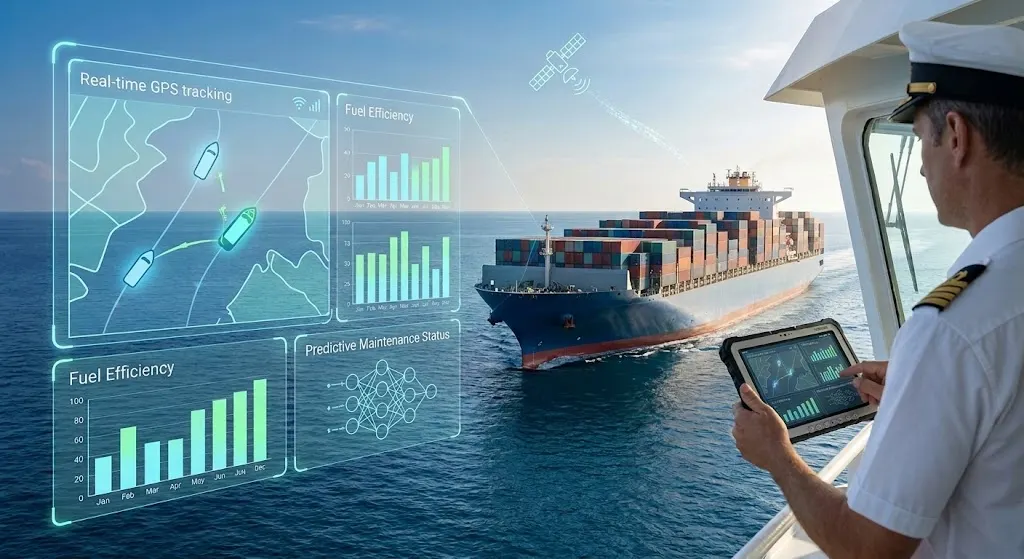
The maritime industry is going through a massive digital transformation. Old spreadsheets and manual workflows no longer work for modern shipping. Today, fleet operators need real-time data to make fast, smart decisions.
Managing a fleet of ships is complex. You have to track vessels, monitor fuel use, schedule maintenance, and keep crews safe. Doing all this manually leads to costly errors. It also slows down your business.
To stay ahead, maritime companies need modern fleet management software. Custom software development allows businesses to build platforms that fit their exact needs. With the right tools, you can automate daily tasks and cut operating costs.
Here is a look at the essential features modern maritime companies need in their fleet management software.
Why Maritime Companies Need Custom Software
Off-the-shelf software often falls short. Every shipping company has unique routes, cargo types, and business goals. A generic tool might lack the specific enterprise software features your team needs.
Custom software development solves this problem. It allows you to build a system that matches your workflow. You get exactly what you need without paying for useless features.
For logistics companies operating along the busy coasts of Maharashtra, technology upgrades are critical. Working with a custom software development company in Palghar or Mumbai can help local maritime businesses digitize their operations. A local tech partner understands the regional business landscape while delivering global-standard technology.
Core Features of Modern Maritime Fleet Software
A strong fleet management platform brings all your data into one place. Here are the most important features to include.
Real-Time Vessel Tracking and Analytics
You must know where your ships are at all times. A good fleet management system provides live location tracking. It uses GPS and satellite data to show exact ship positions.
But tracking is just the start. The software should also offer business AI and data analytics. It should analyze weather patterns, ocean currents, and port traffic. This helps captains adjust their routes in real time. Better routes mean faster deliveries and safer trips.
AI-Powered Predictive Maintenance
Ships break down. When they do, repairs are very expensive. An unexpected breakdown also delays cargo and upsets clients.
This is where AI software development changes the game. Modern software uses artificial intelligence to monitor engine health. Sensors on the ship collect data on temperature, vibration, and performance.
The AI analyzes this data to spot early warning signs. It tells your team when a part is likely to fail. You can then fix the issue before the ship leaves the port. This approach is called predictive maintenance. It saves money, improves safety, and keeps ships moving.
Automated Compliance and Reporting
The maritime industry has strict rules. Ships must follow environmental laws, safety codes, and international trade rules. Keeping track of all this paperwork takes hours.
Business automation makes compliance easy. The software automatically records required data. It tracks fuel emissions, waste disposal, and safety checks. When an inspector asks for a report, your team can generate it with one click.
This reduces the workload on your crew. It also protects your company from heavy fines caused by missing paperwork.
Fuel Consumption Optimization
Fuel is one of the biggest expenses for any maritime fleet. Even a small drop in fuel use saves a lot of money.
Modern fleet software monitors fuel levels closely. It tracks how fast a ship travels and how much fuel the engines burn. By applying AI and data analytics, the system can suggest the most fuel-efficient speed for each trip.
Optimizing fuel use helps your bottom line. It also helps your company meet green energy standards by cutting harmful carbon emissions.
Crew Management and Payroll Automation
A ship cannot run without its crew. Managing crew schedules, however, is very complicated. You have to track work hours, rest periods, certifications, and payroll.
Good fleet software handles all of this automatically. It alerts managers when a sailor's safety certification is about to expire. It ensures work hours comply with international labor laws. It also integrates with your accounting tools to pay the crew accurately and on time.
This improves crew morale. It also leaves human resource managers free to focus on bigger issues.
The Role of AI and Cloud Technology
The best fleet management tools run on the cloud. Cloud and SaaS platforms allow your team on land to see the exact same data as the captain at sea.
Artificial intelligence makes this data useful. AI processes massive amounts of information in seconds. It spots trends that humans might miss. For example, AI can analyze years of shipping data to predict the best times to buy fuel.
If you want these advanced tools, look for an AI development company. They can build smart features directly into your fleet platform.
Integrating Legacy Systems
Many older maritime companies still use outdated legacy systems. You do not have to throw these old systems away immediately.
Good enterprise software development focuses on integration. Your new fleet software should connect smoothly with your existing tools. It should link to your current accounting software, warehouse systems, and HR platforms.
Connecting these systems breaks down data silos. Your entire business can finally run as one unified machine.
Choosing the Right Technology Partner
Building a reliable fleet management system requires expert help. You need a partner who understands digital transformation and business automation.
For companies based near India's major western ports, finding a local IT company in Palghar or Mumbai offers great benefits. Local teams provide clear communication, ongoing support, and easy collaboration. They can help you map out your technical needs before writing a single line of code.
Look for a technology consulting team that prioritizes security and scalability. Your software must protect sensitive cargo data from cyber threats. It must also grow easily as you add more ships to your fleet.
Plan Your Digital Transformation
Modernizing your maritime fleet is no longer optional. Real-time tracking, AI maintenance, and automated reporting are now industry standards. Upgrading your technology reduces costs, protects your crew, and keeps your clients happy.
If you're exploring how to implement custom fleet management software for your business, Unovative can help you evaluate the technical requirements, identify the right approach, and plan the next steps. Our team specializes in enterprise applications, AI tools, and seamless digital transformation.