
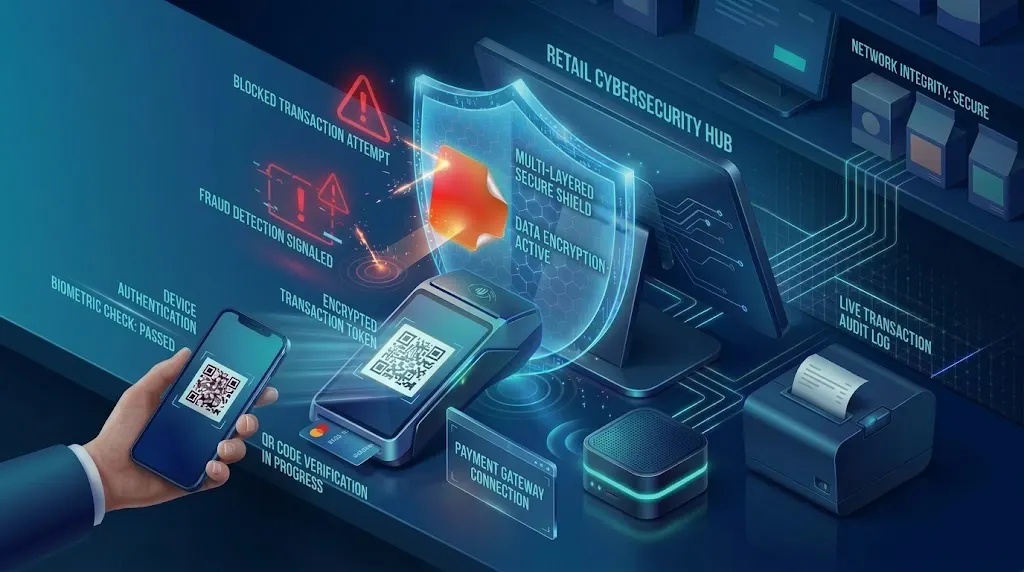
Digital payments changed how we do business. Today, almost every shop in Palghar uses the Unified Payments Interface (UPI). From large factories in the Tarapur MIDC to small retail stores in Boisar, QR codes are everywhere. UPI makes transactions fast and simple.
However, this convenience also attracts criminals. Scammers know that busy merchants sometimes skip basic security checks. They use clever tricks to steal money directly from your bank account.
In this article, we will explore the most common UPI payment scams. We will look at how fake QR codes work. We will explain the dangerous "collect request" trap. Finally, we will share practical ways to keep your business safe.
How Fake QR Code Scams Work
A standard static QR code is simply a printed picture. It holds your bank account details. Fraudsters have found very simple ways to manipulate these printed codes.
The Physical Sticker Swap
This is the most common physical scam. Criminals visit a busy shop during peak hours. When the shop owner is distracted, the criminal secretly pastes their own QR code sticker over the merchant’s original QR code.
When a genuine customer scans the code to pay for an item, the money goes to the scammer. The business owner loses the money and the goods. By the time the merchant realizes the mistake, the scammer is gone.
Malicious Digital QR Codes
Scammers also operate online. They send fake emails or text messages claiming to be a bank or a utility provider. These messages include a digital QR code. The message might say your electricity bill is overdue. It tells you to scan the code to pay quickly.
When you scan this code, it links to a fraudulent account. Sometimes, these digital codes also contain malware. This malware can give hackers access to your phone or computer.
The Dangerous "Collect Request" Trap
The collect request scam is highly deceptive. It targets people who are expecting to receive money.
The Golden Rule of UPI
There is one unbreakable rule of digital payments. You only enter your UPI Personal Identification Number (PIN) when you want to send money. You never need to enter your PIN to receive money. Scammers build their entire strategy around breaking this rule.
How the Scam Unfolds
Imagine you are a wholesale supplier in Palghar. A new buyer contacts you online. They agree to buy a large order of goods. They tell you they want to pay immediately via UPI.
Instead of sending you money, the scammer sends a "Collect Request" through a payment app. The notification on your phone looks very official. It might even say "Payment Received" in large letters. But below that, the app asks you to enter your PIN to "confirm" or "receive" the funds.
If you type your PIN in a rush, you approve the collect request. Instantly, the money leaves your bank account and goes directly to the scammer.
Fake Screenshot Apps and Spoofed Soundboxes
Cyber criminals also use technology to fake successful payments. This tactic targets busy shops where owners do not check their own bank alerts.
Payment Generator Apps
Scammers install fake payment apps on their mobile phones. These apps look exactly like popular UPI applications. After buying an item, the scammer scans your QR code. They type in the shop name and the exact purchase amount. The fake app instantly generates a green "Payment Successful" screen.
The scammer shows this fake screen to the cashier. The cashier hands over the goods. However, the business owner never actually receives the money.
Exploiting the Rush
During busy business hours, merchants often trust a quick glance at a customer screen. This is a costly mistake. Scammers rely heavily on this busy environment. They know that a rushed cashier will not wait for an official bank SMS confirmation.
The Impact on Local Businesses in Maharashtra
These scams cause real damage to growing businesses. For a retail shop or a local supplier, cash flow is critical. Losing a single large transaction can ruin a profitable day.
Financial and Reputational Loss
When scammers trick a business, the financial loss is immediate. Unfortunately, recovering stolen UPI funds is very difficult. Banks cannot simply reverse an authorized PIN transaction.
Beyond the lost money, scams damage customer trust. If an honest customer pays a fake sticker QR code, the merchant might accuse them of not paying. This creates ugly disputes. The customer leaves angry, and the business loses a loyal buyer. You must secure your payment workflow to protect your reputation.
Practical Steps to Protect Your Business
You can stop most UPI scams by following basic security habits. Educate your staff and enforce strict rules for digital payments.
Inspect Physical Payment Tools
Check your printed QR code stands every single morning. Run your finger over the code to ensure no one placed a sticker on top. Make this a mandatory daily routine.
Never Trust Customer Screens
Do not rely on the green success screen on a customer's mobile phone. Fake apps are too realistic today. You must only trust your own notifications. Wait for the SMS from your bank. Alternatively, check your own merchant application to verify the transaction.
Use Audio Notification Devices
Invest in a secure audio notification device. These "soundboxes" connect directly to your merchant account. When a payment is successful, the box loudly announces the received amount. This completely defeats the fake screenshot scam.
Remember the PIN Rule
Train every employee on the golden rule. You never enter a UPI PIN to receive money. Print this simple rule and place it near your cash register.
Upgrading Your Technology for Safer Payments
Manual checks are great, but they are hard to scale. If your business processes hundreds of transactions daily, you need better technology.
Dynamic QR Codes
Instead of using a static printed code, switch to dynamic QR codes. A dynamic QR code generates on a secure digital screen. It changes for every single transaction. It includes the exact bill amount. Customers cannot change the amount, and criminals cannot paste stickers on your screen.
Business Automation and Integration
Connect your digital payments directly to your billing software. When a customer pays a dynamic QR code, the software instantly verifies the bank receipt. It automatically prints the final invoice. This level of business automation removes human error completely.
Partnering with an IT Company in Palghar
Building a secure, automated billing system requires expertise. You need the right software architecture to protect your daily revenue.
Unovative is an IT company in Palghar focused on business automation and digital transformation. We help local enterprises build highly secure digital workflows. Whether you need custom software development or advanced system integrations, we create tools that protect your business. Our custom applications ensure that your digital transactions remain fast, reliable, and entirely secure.
Conclusion
Digital payments are essential for modern business. They bring speed and convenience to everyday transactions. But you cannot ignore the growing risks of cyber fraud.
Fake QR codes and tricky collect requests prey on busy merchants. By staying alert and upgrading your technology, you can block these threats. Train your staff, verify your alerts, and move toward automated billing systems.
If you're exploring how to implement secure custom payment workflows for your business, Unovative can help you evaluate the technical requirements, identify the right approach, and plan the next steps.