
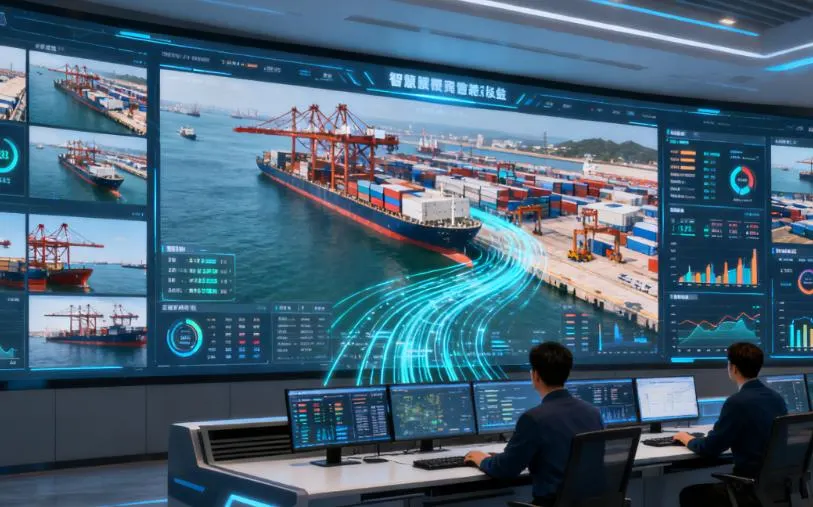
Mumbai is one of India's important maritime business centres. Every vessel calling at a port depends on several services, from fresh water and bunkering to crew changes, waste disposal, repairs and ship supplies. Ship agents must coordinate these services while keeping vessel owners, port authorities, suppliers and operations teams informed.
A Maritime Software Company in Mumbai can help address this challenge by developing digital platforms that bring service requests, vendor communication, approvals and operational updates into one place.
Many ship agents still depend on phone calls, emails, WhatsApp messages and spreadsheets to manage these activities. These methods can work for a small number of port calls, but coordination becomes harder when several vessels arrive close together or multiple vendors are involved.
Digital platforms offer a more organised way to manage these operations. They help agents see what is requested, who is responsible, what is pending and which services have been completed.
Why Ship Agents in Mumbai Need Better Vendor Coordination
A ship agent acts as a local representative for a vessel during its port call. The agent helps arrange services, communicate with local authorities, coordinate suppliers and support the vessel's arrival and departure.
This involves many people working against the same schedule.
For example, a vessel may require:
- Fresh water supply.
- Bunker arrangements.
- Ship chandlery and provisions.
- Crew change assistance.
- Garbage and sludge disposal.
- Underwater inspection.
- Repair and maintenance support.
- Launch boats and other marine services.
Each service may involve a different supplier, contact person, approval process and delivery time.
The problem with manual coordination
When information is spread across different communication channels, it becomes difficult to maintain a complete picture of the port call.
Common problems include:
1. Scattered communication
Service requests may arrive through email, calls and messaging applications. Important instructions can get buried in long conversations.
2. Delayed vendor responses
Agents often need quotations or confirmations from several suppliers. Without a shared record, following up becomes time-consuming.
3. Unclear service status
An agent may know that a supplier has received a request but may not know whether the service has started or been completed.
4. Repeated data entry
Vessel details, service requirements and delivery information may need to be entered into several documents and spreadsheets.
5. Difficulty tracking expenses
When quotations, purchase approvals and invoices are stored separately, checking the final port costs becomes harder.
These problems do not always come from a lack of capable staff. Often, the problem is that everyone works with different information.
How Digital Platforms Improve Port Service Coordination
A digital coordination platform creates a shared workspace for ship agents and authorised service providers.
Instead of managing every request through separate conversations, the team can record activities against a particular vessel or port call.
1. Centralised vessel and port call management
The first step is to create a central record for each vessel visit.
The record can contain:
- Vessel name and identification details.
- Port of arrival and departure.
- Estimated time of arrival (ETA).
- Estimated time of departure (ETD).
- Berth information.
- Ship agent details.
- Required port services.
- Important documents and instructions.
When a new service is requested, it can be connected to the relevant vessel and port call.
This makes it easier for operations staff to understand which activities belong to which vessel.
For example, if three vessels require fresh water, the team can view all three requests separately instead of searching through different email threads.
2. Digital service requests for local vendors
A digital platform can provide a structured way to request services from local suppliers.
The ship agent selects a service category, enters the vessel details, adds the requirements and sends the request to suitable vendors.
A service request may include:
- Type of service.
- Vessel name.
- Required quantity or scope.
- Expected delivery time.
- Location or berth.
- Special instructions.
- Supporting documents.
Vendors can receive the request and respond through their own access area.
This reduces repeated phone calls and gives both sides a clear record of the requirement.
For example, a ship chandler can receive a provision request with the required items, quantities and delivery window. The agent can then review the response and confirm the arrangement.
3. Vendor directory and service management
Finding the right local supplier is another important part of ship agency work.
A digital vendor directory can maintain details such as:
- Vendor name and contact information.
- Service categories.
- Areas or ports served.
- Registration and verification documents.
- Previous service records.
- Commercial terms.
- Availability information, where provided.
This allows agents to identify suitable suppliers more easily.
A vendor management system can also help maintain service history. Agents can review past quotations, completed jobs and recorded feedback before making future decisions.
However, vendor verification and performance ratings should follow clear business rules. A digital listing alone does not guarantee that a supplier is qualified or available.
4. Real-time service status and operational updates
A major benefit of digital coordination is improved visibility.
Each service request can move through defined stages.
Example: Digital port service workflow
- Request created
- Vendor notified
- Quotation submitted
- Approval received
- Service in progress
- Service completed
The operations team can use a dashboard to identify pending requests, delayed activities and completed services.
This is especially useful when several teams are handling the same port call.
5. Digital quotations and expense tracking
Cost management is another important responsibility for ship agents.
Different vendors may offer different prices, delivery conditions and service scopes. Comparing these details manually can take time.
A digital platform can keep quotations together for review.
Useful features include:
- Multiple vendor quotations.
- Price and service comparisons.
- Approval records.
- Purchase order references.
- Invoice uploads.
- Service completion records.
- Final expense summaries.
For example, if an agent receives three quotations for a repair service, the platform can display the quoted amounts and service details together.
The authorised person can select a vendor and record the reason for approval.
This also makes it easier to compare the original quotation with the final invoice.
Important Features to Include in a Ship Agent Coordination Platform
Not every ship agency needs a large enterprise system. The right platform should reflect its actual daily operations.
The following features can provide a useful starting point.
- Vessel dashboard - View upcoming and active port calls.
- Vendor directory - Find and manage local suppliers.
- Service request module - Create and assign service requirements.
- Quotation management - Compare vendor offers.
- Approval workflow - Record commercial decisions.
- Document management - Store service-related documents.
- Notifications - Alert users about important updates.
- Expense tracking - Monitor service costs.
- Reports and analytics - Review operational performance.
- Mobile access - Update activities while working outside the office.
Mobile access for agents and vendors
Port operations do not happen only inside an office.
Agents may need to visit vessels, meet suppliers or coordinate activities at different locations.
A mobile-friendly platform allows authorised users to:
- View assigned service requests.
- Upload photographs and documents.
- Update service progress.
- Receive important notifications.
- Confirm delivery or completion.
- Contact the relevant team.
Mobile access can reduce the need to return to an office just to update a spreadsheet.
AI-powered support for maritime coordination
AI can add another layer of assistance to these platforms.
For example, an AI-supported system could:
- Extract vessel and service details from incoming emails.
- Read quotation documents and identify important fields.
- Summarise long vendor communication threads.
- Flag missing information in service requests.
- Identify repeated delays from historical records.
- Prepare summaries of port call expenses.
These capabilities can reduce repetitive administrative work.
However, AI-generated information should be reviewed by authorised staff. Service approvals, safety decisions and regulatory submissions must remain under the control of the responsible people.
An AI Solution for Maritime Industry in Mumbai should solve a defined operational problem rather than introduce automation without a clear purpose.
How Mumbai's Port Digitalisation Supports This Shift
Mumbai's port ecosystem is already moving towards digital operations.
The Mumbai Port Authority has implemented several digital initiatives to improve communication, documentation and access to port services.
Its published digital initiatives include Port Community System integration, electronic delivery orders, online service applications and RFID-based access management. The authority also describes electronic transactions for services such as fresh water supply and sludge or slop unloading.
Its Port Community System provides a centralised interface through which users can access transaction information and track cargo or container details. It also provides real-time vessel, finance, transport and cargo status information.
Source: Mumbai Port Authority - Digital Initiatives and Port Community System.
These developments show why digital coordination matters.
However, port-level systems and private ship agency platforms serve different purposes. A private platform should complement existing port systems rather than assume it can replace official processes.
The importance of system integration
A ship agent may use several systems for different activities.
A well-planned digital platform should consider how it can work with:
- Existing port community systems.
- Vessel management applications.
- Accounting software.
- Customer relationship management systems.
- Email and notification services.
- Document management tools.
Integration may use APIs or approved data exchange methods, depending on the access provided by each system.
The goal is to reduce repeated data entry and make information easier to share without creating another disconnected application.
How to Implement a Digital Platform for Ship Agency Operations
Moving from manual coordination to digital workflows requires proper planning.
A phased approach can help reduce disruption.
Step 1: Understand existing operations
Map the complete process from receiving a vessel nomination to closing the port call. Identify how service requests, vendor selection, approvals and invoices are currently handled.
Step 2: Identify the biggest coordination problem
Start with one area. It could be vendor quotations, service status tracking or document management.
Step 3: Define user roles
Decide what ship agents, vendors, managers and finance teams can view or update. Each user should have access only to the information required for their role.
Step 4: Develop the first version
Begin with essential functions such as vessel records, service requests, vendor information and status tracking.
Step 5: Test with actual operations
Use a small number of port calls to check whether the platform reflects real working conditions. Collect feedback from both agents and vendors.
Step 6: Expand gradually
Once the initial workflow works reliably, consider adding quotation comparisons, expense tracking, mobile access, reporting and AI-assisted features.
Security should be part of every stage. Vessel information, commercial quotations, personal details and customer documents need appropriate access controls, secure storage and audit records.
How Unovative Can Help
Unovative is an IT and AI software company based in Palghar, Maharashtra, with an international presence in Vietnam. It works on custom software, intelligent applications, business automation and enterprise technology.
For businesses looking for a Marine Software Development Company in Mumbai, the key consideration is finding a technology partner that can understand existing operational workflows and translate them into practical software.
Unovative's enterprise application and digital transformation capabilities are relevant to businesses exploring solutions such as:
- Custom ship agency management applications.
- Digital vendor and supplier management systems.
- Port service request and approval workflows.
- Vessel and port call dashboards.
- Document management and automated reporting.
- AI-assisted quotation and document processing.
- Integration with existing business applications.
A Ship Management Company in Mumbai may also benefit from connected operational records that link vessel activities, procurement and service expenses.
Similarly, a Shipping Software Company in Mumbai should understand how software can support communication between shore teams, agents and service providers.
When evaluating an IT Company in Mumbai or a Custom Software Development Company in Mumbai, maritime businesses should look beyond technical features. The solution must fit their actual port call process, user roles and reporting requirements.
Unovative approaches these requirements through custom application development and technology consulting. Its Palghar location also provides a regional technology base for businesses operating across the Mumbai and surrounding maritime ecosystem.
Explore Unovative's digital solutions or contact the team to discuss a software requirement.
Conclusion
Ship agents manage many activities during a single port call. Coordinating vendors, tracking service requests, collecting quotations and sharing updates can become difficult when information is spread across calls, emails and spreadsheets.
Digital platforms can bring these activities into one organised workflow. They help agents manage vessel records, communicate with suppliers, track service progress and maintain clearer expense records.
The best approach is to start with the biggest coordination challenge, build a focused solution and expand it as business needs grow.
For Mumbai's maritime businesses, better digital coordination can support more organised port operations and stronger relationships between ship agents and local service providers.
Looking to improve your ship agency operations? Want to improve your port service coordination? Contact Unovative to discuss your maritime software requirements and the digital solutions that can make your operations easier.