
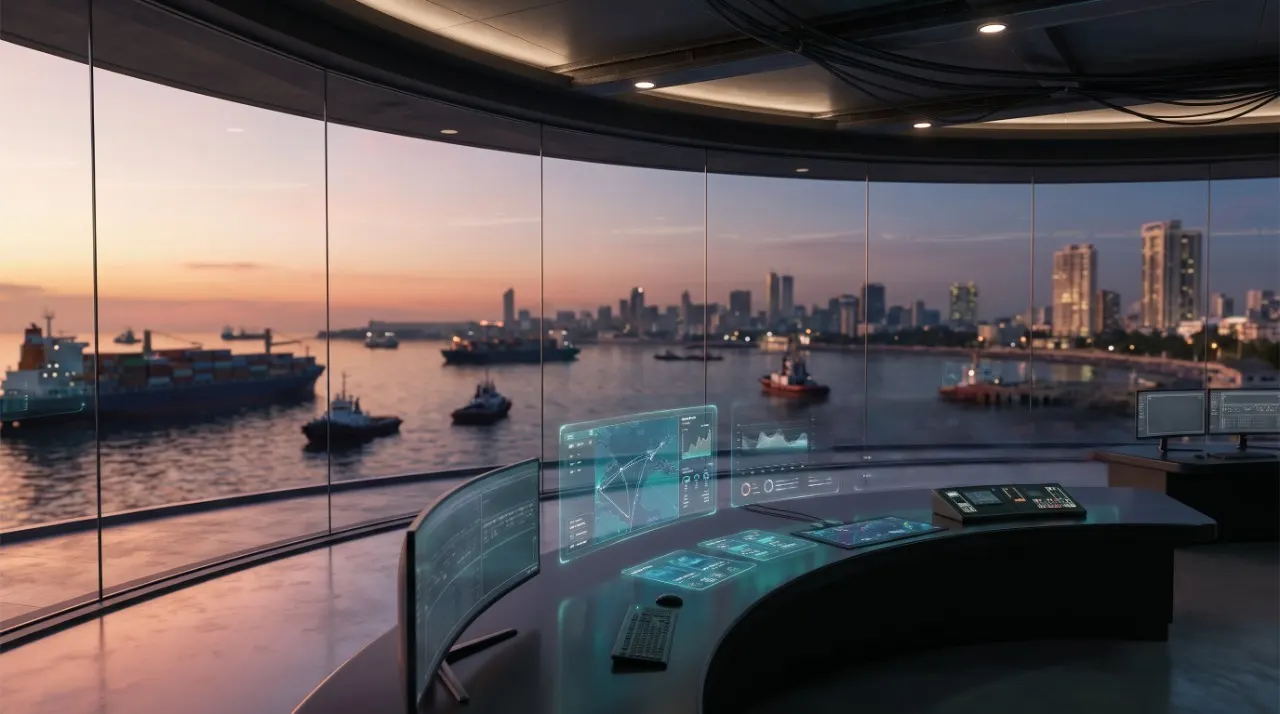
Mumbai is one of India's most important maritime business centres. Ship owners, ship managers, port agents, chartering desks and crewing offices all work within a few kilometres of each other. Yet many fleet operations here still run on email chains, Excel sheets and WhatsApp groups.
That works until the fleet grows. Then a missed noon report, a late port document or an unpaid invoice can delay a vessel. Working with the right shipping software company in Mumbai can help connect these daily tasks into one clear, shared system.
This guide takes a different view from a feature list. It follows one voyage from planning to closing the file, and shows where digital solutions help fleet operations teams at each step.
Why Fleet Operations Break Down Between Ship and Shore
Fleet operations involve many teams. Commercial, operations, technical, crewing, procurement and accounts all touch the same voyage. Each team often uses its own tools.
The vessel sends information. The shore office then copies it, forwards it and re-enters it. Every handoff adds delay and a chance for error.
The hidden cost of handoffs
For a ship management company in Mumbai handling vessels for several owners, the problem multiplies. Each owner may want different reports, approval rules and formats.
Staff end up spending hours chasing updates instead of making decisions. Managers often learn about a problem only after it has become expensive.
Common examples include:
- Noon report figures copied from email into a performance sheet.
- Port call details typed again for the agent, the owner and the accounts team.
- Crew changes recorded in one file and travel costs in another.
- Repair quotes compared by hand across several vendor emails.
Each of these is a small task. Together, they consume a large share of an operations team's week.
Following One Voyage: Where Digital Solutions Fit
The clearest way to plan fleet software is to map a real voyage. This map is also the best brief you can give a shipping software company in Mumbai. Here is how a connected system can support each stage.
Before the voyage: planning and handover
Once a fixture is agreed, the operations team needs the key terms quickly. These include laycan, ports, cargo, speed and consumption warranties.
A digital voyage record can hold this information in one place. Operations, technical and accounts staff then work from the same details. No one needs to search an old email thread to confirm a clause.
At sea: noon reports and performance data
Vessels send daily reports on position, speed, fuel use and weather. In many offices, these arrive as free-text emails or spreadsheet attachments.
A structured digital form changes this. The master fills in set fields, and the system checks for obvious errors, such as fuel figures that do not match the distance sailed. The shore team sees clean data on a dashboard instead of an inbox.
Clean voyage data also supports emissions reporting. Under IMO's EEXI and CII measures, ships have had to collect data for their annual operational carbon intensity indicator since 1 January 2023. Each ship receives a rating from A to E.
A ship rated D for three years in a row, or E for one year, must prepare a corrective action plan. The required level also tightens each year. Daily fuel and distance data that is accurate from the start makes this reporting far easier. It also lets managers spot a vessel drifting towards a poor rating early.
Port calls: pre-arrival, agents and the Maritime Single Window
Port calls generate heavy paperwork. Crew lists, cargo declarations, health forms and security details all have to reach the right authority on time.
According to the International Maritime Organization, a Maritime Single Window for port data exchange has been mandatory since 1 January 2024. This means ports increasingly expect information electronically, through a single point of contact.
Shipping companies with structured data can prepare these submissions faster. Software can pre-fill repeated details, such as vessel particulars and crew data, from one master record. It can also track which documents the agent has received and which are still pending.
After the voyage: costs, claims and closing the file
Once the vessel sails, the financial work begins. Port disbursements, bunker invoices, repair bills and any laytime claims all need checking.
A connected system links each cost to the voyage, vessel and approval. Accounts can match invoices to agreed amounts without manual cross-checking. For more on this stage, read our guide on tracking purchase orders, payments and repair costs in ship management.
Where AI Adds Real Value in Fleet Operations
AI is useful when it removes repetitive reading and checking. It is less useful when it is added just because it sounds modern.
Practical examples include:
- Document reading: extracting key fields from invoices, certificates and port documents.
- Anomaly alerts: flagging fuel figures, costs or delays that fall outside normal ranges.
- Report drafting: preparing a first draft of an owner's monthly report from voyage data.
- Email triage: sorting incoming vessel and agent emails by vessel and topic.
Teams searching for an AI solution for maritime industry in Mumbai should start with one of these narrow tasks. AI should suggest and highlight. Qualified people should still make safety, cost and compliance decisions.
Build, Buy or Integrate? Choosing the Right Approach
There is no single right answer. Ready-made ship management products cover common needs well. They can be the fastest option if your process matches the product.
Custom software makes sense when your workflow is unique or your current tools do not talk to each other. In many cases, the best option is a mix, and a good shipping software company in Mumbai will often recommend one. You keep a proven product for one area and add custom tools that connect everything else.
A capable marine software development company in Mumbai or nearby should help you decide this honestly. It should not push a full rebuild if a smaller integration would solve the problem.
Questions to ask a shipping software company in Mumbai
Before you choose a partner, ask:
- Will you map our current voyage workflow before proposing a solution?
- How will the system work when a vessel has poor or no internet connection?
- Can it connect with our accounting, ERP or existing ship management tools?
- How will you protect vessel, crew and commercial data?
- Who owns the code and the data after delivery?
- Can we start with a small first release and expand later?
A general IT company in Mumbai may build good web applications. However, maritime work has its own needs, such as ship-shore connectivity, multiple time zones and regulatory reporting. A maritime software company in Mumbai or the surrounding region should show it understands these points.
Similarly, a custom software development company in Mumbai should explain its approach to testing, support and future changes. Clear answers here matter more than a long feature list.
For guidance on cyber risk in shipping, the IMO's maritime cyber security page is a useful starting point.
Measuring Success: Practical Fleet Ops KPIs
Software should improve measurable outcomes. Agree on a few simple measures before the project starts, and record a baseline.
Useful fleet operations measures include:
- Time taken to turn noon reports into a usable performance view.
- Number of port documents submitted late or corrected after submission.
- Time taken to approve and pay port and repair invoices.
- Hours spent each month preparing owner reports.
- Number of data errors found during emissions reporting.
Share these with your shipping software company in Mumbai so both sides agree on what success looks like. Track them before and after the first release. If they do not improve, adjust the system before adding new features.
How Unovative Can Help
Unovative is an IT and AI software company headquartered in Palghar, close to Mumbai's maritime business community, with a second office in Ho Chi Minh City, Vietnam. It builds custom software, automation and AI solutions for enterprises, including maritime companies.
Through its enterprise application services, Unovative can help a Mumbai shipping or ship management team:
- Map the voyage workflow and identify the slowest handoffs.
- Design structured noon report and port call forms.
- Build fleet dashboards that bring voyage, cost and crew data together.
- Add AI-assisted document reading for invoices and certificates.
- Connect new tools with the systems you already use.
Every project starts with a clear problem and a focused first release. For a wider look at platform capabilities, see our article on fleet management software features modern maritime companies need.
Conclusion
Fleet operations succeed or fail at the handoffs between ship, shore and each office team. When voyage data is entered once and shared everywhere, teams spend less time chasing updates and more time managing vessels well.
Rules on emissions reporting and electronic port data are also pushing the industry towards cleaner, structured information. Companies that build that foundation now will find compliance and growth easier.
Whether you build in-house or work with a shipping software company in Mumbai, the best place to start is one voyage stage that causes the most delay today. Fix that, measure the result and build from there.
Ready to map your fleet operations workflow? Book a 30-minute intro call with Unovative and tell us where your voyages slow down.